
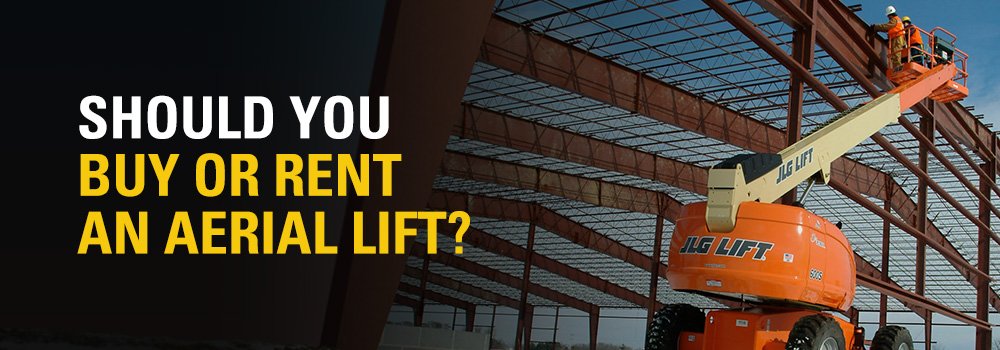
Businesses often face a key decision when acquiring lifting platforms: rent or buy? The choice depends on operational needs, budget, and long-term plans. A 升降台 is a significant investment, and understanding the advantages and disadvantages of renting versus purchasing is crucial for cost-effective decision-making.
This article explores the factors businesses should consider when deciding between renting and buying lifting platforms.
1. Advantages of Buying a Lifting Platform
Buying a 升降台 provides long-term ownership benefits:
- Unlimited usage without ongoing rental costs
- Full control over maintenance schedules
- Ability to customize or upgrade the platform
- Potential for resale value
Owning a platform is ideal for businesses with consistent, high-volume lifting requirements.
2. Advantages of Renting a Lifting Platform
Renting is flexible and cost-effective for temporary or short-term projects:
- Lower upfront costs
- Access to the latest equipment models
- No long-term storage or maintenance responsibilities
- Ability to adjust capacity based on project needs
Rental platforms are ideal for seasonal operations, temporary work sites, or trial purposes.
3. Cost Considerations
When comparing renting vs. buying, consider:
- Frequency of use
- Maintenance and repair expenses
- Depreciation and replacement costs
- Storage and insurance requirements
A detailed cost analysis helps determine the most financially viable option for your facility.
4. Flexibility and Operational Needs
Short-term projects, irregular workloads, or trial periods favor renting. In contrast, consistent daily use and long-term investment objectives favor buying a 升降台. Matching the platform acquisition strategy to operational needs ensures efficiency and cost-effectiveness.
5. Safety and Compliance
Both rented and purchased platforms must meet safety standards. Rental companies typically provide certified, maintained 升降台, while purchased units require ongoing inspection and maintenance by the facility. Compliance with safety regulations is essential regardless of ownership model.
Conclusion
Choosing between renting and buying a lifting platform depends on usage frequency, budget, and operational requirements. Renting offers flexibility and lower upfront costs, while buying provides long-term ownership benefits and investment security. By analyzing needs carefully, businesses can select the most cost-effective approach for their 升降台, ensuring safe and efficient operations.