
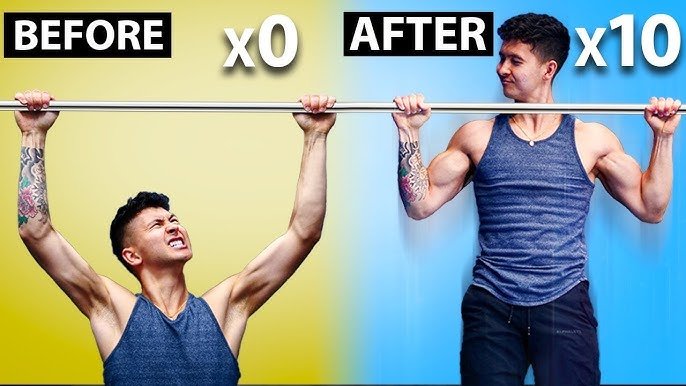
Pull-up bars are a simple yet highly effective tool for building upper-body strength and enhancing posture. Regular pull-up training strengthens the back, shoulders, and core muscles, which are essential for maintaining proper alignment and preventing slouching. By targeting muscles such as the lats, traps, and rhomboids, pull-ups support a stronger, more upright posture. Many users also incorporate accessories like assisted pull-up bands to gradually increase repetitions and maintain proper form. Understanding how pull-up bars work and how to use them correctly can significantly improve both back strength and posture over time.
Strengthening the Upper Back
Pull-ups primarily engage the muscles of the upper back, including the latissimus dorsi, trapezius, and rhomboids. Strengthening these muscles helps pull the shoulders back and counteracts the effects of prolonged sitting or poor posture. Using controlled movements ensures maximum activation of the upper back while reducing strain on the shoulders. For beginners or those building endurance, assisted pull-up bands provide support, allowing more repetitions with proper form. Consistent training strengthens the back and improves posture, reducing the risk of injury and discomfort.
Engaging the Core for Stability
In addition to the back, pull-ups engage the core muscles, including the abdominals and obliques, which stabilize the spine during the movement. A strong core supports proper spinal alignment and prevents the lower back from arching excessively. Using assisted pull-up bands can help maintain a controlled, slow movement, ensuring that the core remains engaged throughout the exercise. Strengthening these stabilizing muscles not only enhances posture but also improves overall functional strength and balance.
Correcting Rounded Shoulders
Rounded shoulders are a common result of poor posture, often caused by long hours of sitting or working at a desk. Pull-ups counteract this by strengthening the muscles that retract the shoulder blades and open the chest. Performing pull-ups with proper form encourages scapular mobility and shoulder stability. Beginners can rely on assisted pull-up bands to support proper movement patterns, allowing them to develop strength while maintaining correct shoulder alignment. Over time, this helps restore natural posture and prevents slouching.
Supporting Functional Strength and Daily Activities
Improved back strength from pull-ups translates into better functional performance in daily tasks. Activities like lifting, carrying, or reaching overhead become easier when the back and shoulder muscles are strong. The use of assisted pull-up bands enables users to gradually increase strength safely, reducing the risk of strain or injury. Strengthening these muscle groups also enhances endurance, making it easier to maintain good posture throughout the day, even during extended periods of sitting or standing.
Combining Pull-Ups With Complementary Exercises
To maximize posture and back benefits, pull-ups can be combined with complementary exercises such as rows, face pulls, and reverse flys. These exercises further target the upper back and shoulders, reinforcing the muscle groups responsible for maintaining proper alignment. Using assisted pull-up bands during pull-ups while performing these supporting exercises ensures controlled progression and consistent engagement of key muscles. Together, these routines enhance overall back strength and promote lasting improvements in posture.
Conclusion: Enhancing Posture and Strength With Pull-Up Bars
Pull-up bars are an excellent tool for strengthening the back, engaging the core, and correcting posture issues. Incorporating assisted pull-up bands allows beginners to perform controlled repetitions while gradually building strength and stability. Regular pull-up training, combined with complementary exercises, improves muscle balance, shoulder alignment, and spinal support. Over time, this leads to better posture, reduced discomfort, and enhanced functional strength, making pull-ups a highly effective addition to any home workout routine.