
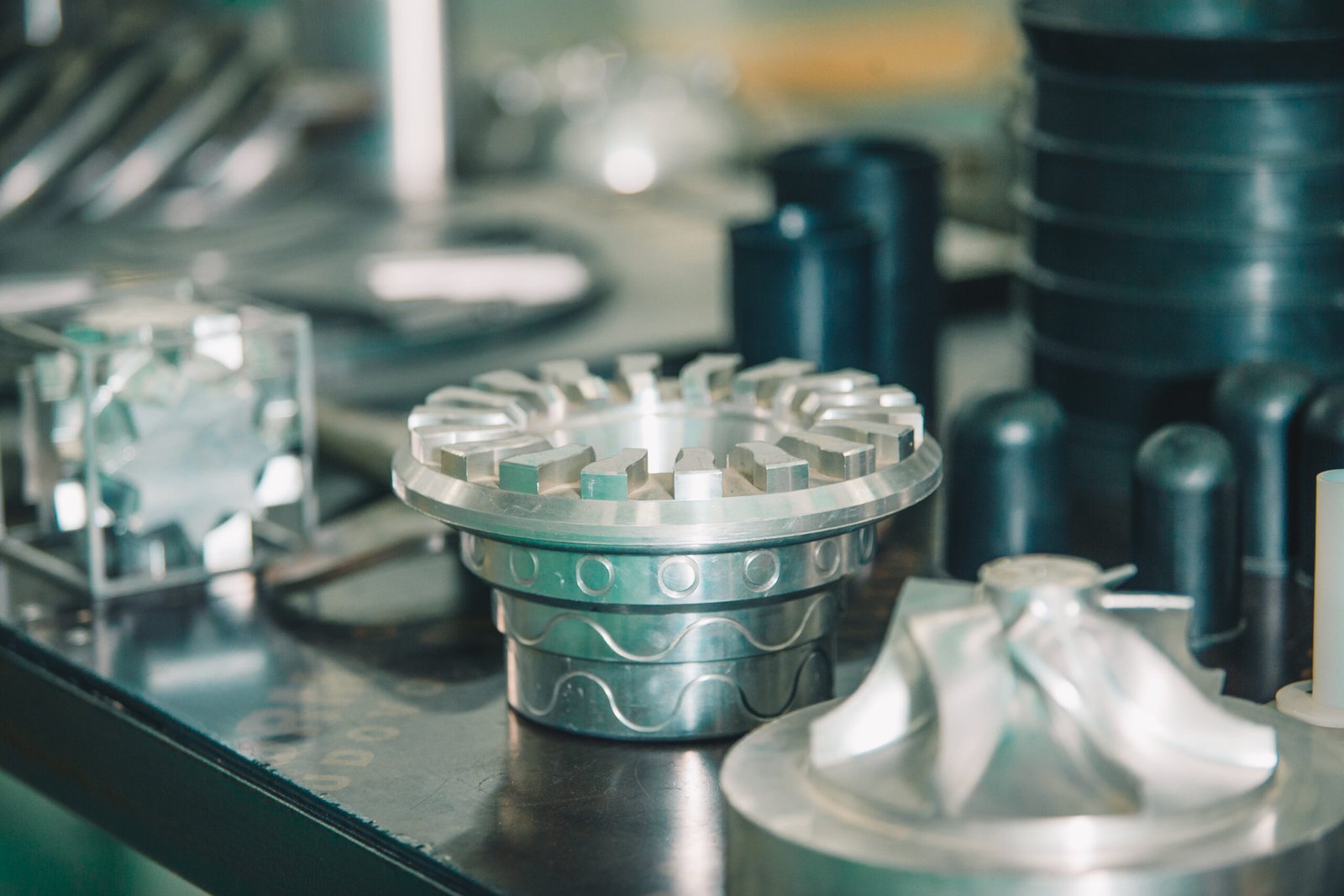
Compression molding stands as a foundational technique in the world of materials processing, offering a reliable way to shape various polymers and composites into useful forms. This method has evolved over time to meet the demands of diverse industries, from automotive to consumer products. By understanding its core elements, one can appreciate how it contributes to creating durable and precise components.
The Origins and Evolution of Compression Molding
The history of compression molding traces back to the early days of rubber processing, making it one of the oldest methods in polymer manufacturing. Initially developed for handling thermosetting materials, it gained prominence in the rubber industry for producing items like boots and seals. Over the decades, advancements in machinery and materials have expanded its scope, incorporating fiber reinforcements and advanced resins to enhance strength and functionality.
As technology progressed, compression molding adapted to include thermoplastics alongside traditional thermosets, allowing for shorter production cycles and broader applications. Today, it remains a go-to process for parts requiring high strength and resistance to environmental factors, reflecting its enduring relevance in manufacturing.
Understanding the Compression Molding Process
At its heart, compression molding involves placing a measured amount of material into a heated mold cavity, then applying pressure to shape it as it cures or solidifies. This approach is particularly effective for materials that undergo chemical changes during heating, resulting in robust final products. The process emphasizes precision in material preparation and mold design to achieve consistent outcomes.
Key Steps in Compression Molding
The procedure begins with mold creation, typically using durable metals like steel or aluminum to withstand high pressures. Engineers design these molds with cavities that mirror the desired part shape, ensuring even material distribution. Once prepared, the mold is heated to facilitate material flow.
Next, a pre-measured charge of material—often in the form of pellets, sheets, or preforms—is placed into the lower mold half. For thermosets, this might include fiber-reinforced resins, while thermoplastics could involve granulated polymers. The upper mold then closes, and a hydraulic press applies force, ranging from 150 to 2,500 tons, to compress the material.
Heat plays a crucial role, softening the charge and initiating curing for thermosets, which creates cross-links for added strength. Pressure ensures the material fills every crevice, minimizing voids. Cycle times vary, generally lasting 1 to 5 minutes, depending on part thickness and material type.
After compression, the mold cools, solidifying the part. The final step involves ejecting the component and trimming any excess material, known as flash, to achieve a clean finish.
Preparing Materials for Optimal Results
Material preparation is vital for success in compression molding. Preheating the charge reduces viscosity, allowing better flow and reducing cycle times. For reinforced composites, aligning fibers properly ensures enhanced mechanical properties in the finished product.
In some cases, preforms are shaped beforehand to fit the mold cavity precisely, which helps in avoiding air pockets and ensuring uniform density. This step is especially important for complex geometries where even distribution is key.
Materials Commonly Used in Compression Molding
A wide array of materials suits compression molding, each chosen based on the required properties of the end product. Thermosetting resins like epoxy and melamine offer excellent heat resistance and durability, making them ideal for demanding environments.
Thermosets Versus Thermoplastics
Thermosets, such as silicone and polyurethane, undergo irreversible curing, providing superior strength and chemical resistance. These materials are favored for parts that must endure high temperatures or corrosive substances.
Thermoplastics, including high-density polyethylene and polyphenylene sulfide, can be remelted, offering flexibility in recycling but typically less heat tolerance than thermosets. They are useful for applications needing toughness and impact resistance.
Fiber reinforcements, like glass or carbon fibers, are often incorporated to boost stiffness and load-bearing capacity, transforming basic polymers into advanced composites.
Advantages of Compression Molding Techniques
One of the standout benefits of compression molding is its ability to produce strong, durable parts with minimal waste. The process efficiently uses materials, as the charge is precisely measured, reducing excess and lowering costs.
It excels in handling viscous materials and creating components with excellent surface finishes, which is advantageous for aesthetic and functional requirements. Additionally, molds can be customized for intricate designs, supporting innovation in product development.
For batch production, the method allows quick adjustments in settings, making it versatile for varying production needs. It also accommodates eco-friendly and recycled materials, aligning with sustainable practices.
Challenges and Limitations in Compression Molding
While effective, compression molding has some drawbacks, such as slower cycle times compared to injection molding, which can impact high-volume production. The need for high pressure limits its suitability for very intricate or thin-walled parts.
Flash formation is a common issue, requiring additional trimming steps that can add to labor and time. Moreover, achieving uniform curing demands precise control over temperature and pressure to avoid defects like voids or delamination.
Despite these challenges, careful mold design and process optimization can mitigate many issues, ensuring high-quality outputs.
Diverse Applications of Compression Molding
Compression molding finds use across numerous sectors, thanks to its versatility in producing robust components. In the automotive field, it crafts parts like dashboards, bumpers, and engine components that require strength and lightweight properties.
Automotive and Transportation Uses
Manufacturers rely on this technique for creating fiber-reinforced panels and structural elements that enhance vehicle performance and safety. The ability to integrate reinforcements makes it ideal for load-bearing parts in cars and trucks.
Consumer and Household Products
In everyday items, compression molding produces kitchenware such as plates and utensils from heat-resistant materials like melamine. It also shapes silicone gadgets, phone cases, and insoles, offering flexibility and durability for daily use.
Electrical and Medical Applications
For electrical components, the process ensures precise insulation and housings using materials like epoxy. In healthcare, it forms syringe parts and respirator masks, where reliability and biocompatibility are essential.
Innovations in Rubber and Plastic Compression Molding
Specialized approaches, such as Jiangzhi compression molding, highlight how companies like Hebei Jiangzhi Machinery Equipment Co., Ltd. apply this technique to custom rubber parts, blending traditional methods with modern demands for anti-vibration components and seals. These innovations focus on materials like polyurethane and silicone for enhanced wear resistance.
Advancements in automation and AI are streamlining the process, reducing errors and improving efficiency. Future trends point toward more sustainable materials and faster cycles to meet growing market needs.
Safety Considerations in Compression Molding Operations
Ensuring safety is paramount, involving proper protective gear and regular equipment maintenance to handle high pressures and temperatures. Good ventilation and training help prevent accidents, fostering a secure working environment.
The Future Outlook for Compression Molding
Looking ahead, compression molding is poised for growth, driven by demands in medical, automotive, and infrastructure sectors. With ongoing developments in materials and technology, it will continue to play a key role in producing high-performance parts.
In summary, compression molding offers a blend of simplicity and effectiveness, making it a valuable tool in manufacturing. Its ability to create strong, customized components ensures its place in both traditional and emerging applications.